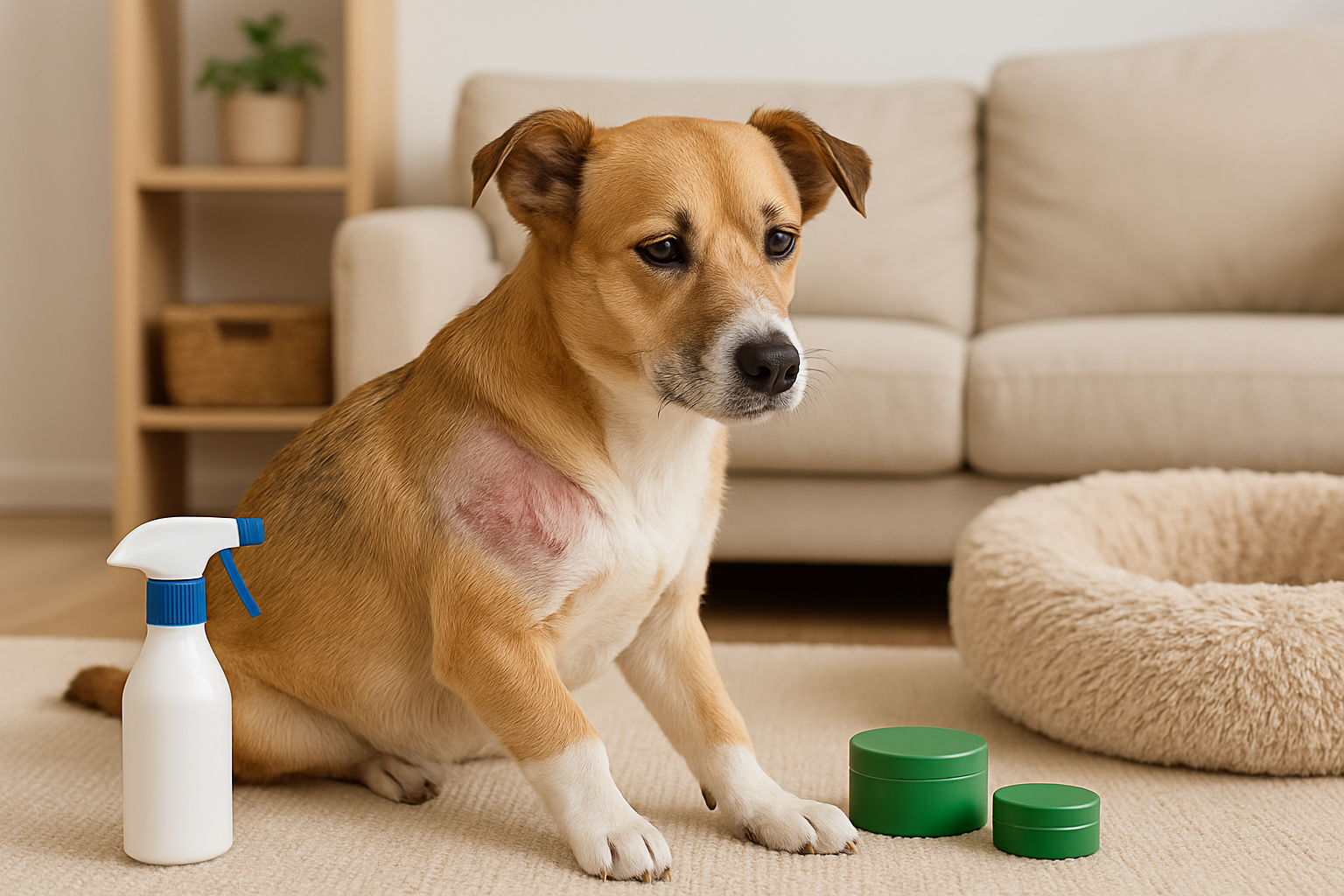
Round patches of hair loss or flaky skin may make you suspect a fungal infection, but appearance alone cannot confirm the cause. A veterinarian can check for infection with appropriate tests. Before the appointment, keep a record of skin changes and take precautions in case the infection could spread to people or other animals.
✅ 3 key takeaways
🔎
Don’t diagnose by appearance alone
Hair loss, scaling, and redness can also occur with other skin conditions.
🧼
Take care with contact and hygiene
Some dermatophyte infections can spread between animals and people. Until your pet is assessed, wash your hands and keep shared living areas clean.
🏥
Plan care after testing
Your veterinarian can review your pet’s skin and test results to recommend suitable care.
What is a fungal skin infection?
“Fungal skin infection” is a broad term for conditions in which fungi affect the skin or coat. Dermatophyte infections, which are commonly found in pets, affect the skin and hair and can spread through contact with an infected animal or contaminated hair and objects.
Not all fungal problems affecting the skin are the same. Skin changes can have many causes, so the appearance of a lesion alone cannot confirm a fungal infection or establish that it is contagious to other animals. A veterinarian’s examination and tests are needed to identify the cause.
Changes you may notice early on
Dermatophyte infections may cause hair loss, broken hairs, scaling, dandruff-like flakes, redness, or crusts. Lesions may appear in one area or several, and the degree of itchiness can vary.
These signs can also occur with other skin conditions, and an infected animal may not show obvious skin changes. A particular appearance or the presence or absence of itching is not enough to diagnose a fungal infection. Contact a veterinarian if the affected area is spreading quickly or your pet seems uncomfortable.
What to record at home and what to avoid
Before the appointment, note the following to help explain the changes and how they have progressed:
- When you first noticed the problem and where the lesions are
- Visible changes, such as hair loss, scaling, redness, or crusts, and how extensive they are
- Changes in your pet’s behavior, such as itching, licking, or scratching
- Whether other animals or people in the household have developed similar skin changes recently
- Any shampoos or skin products used, and recent changes to your pet’s environment
If possible, take photos from the same distance and in similar lighting to track changes. Do not rub the lesions or pull out hairs. Avoid applying human creams or leftover medication without veterinary advice, and do not try unverified home remedies. These actions may irritate the affected area or make diagnosis and treatment more difficult.
What to expect at a veterinary visit and during testing
Your veterinarian may assess the location and appearance of the lesions, your pet’s overall health, and whether people or other animals in the household have skin changes. Depending on the case, tests may include examining skin or hair, fungal culture, microscopy, or molecular testing.
The absence of fluorescence during an ultraviolet light examination does not rule out every fungal infection. Each test has its own uses and limitations, so ask your veterinarian which tests are appropriate and how to understand the results. Treatment can vary depending on the identified cause and the condition of the affected skin.
Care to help prevent worsening or recurrence
If a fungal infection is suspected or confirmed, wash your hands after touching affected areas and keep your pet’s bedding and frequently used items clean before and after the veterinary visit. It is best not to share personal items such as brushes or towels between animals. Ask your veterinary clinic how to clean and launder items, and do not apply cleaning products or disinfectants directly to your pet’s skin, as they may cause irritation.
If your veterinarian provides a treatment and recheck schedule, follow the plan rather than changing it on your own, even if your pet seems better. Tell the clinic if hair loss or scaling returns or symptoms worsen. If someone in the household develops a ring-shaped rash or itchy skin changes, tell a healthcare professional about contact with the pet and seek medical advice.
Frequently asked questions
Q. Can a fungal skin infection spread from pets to people?
A. Some dermatophyte infections can spread from animals to people. If an infection is suspected, wash your hands after touching the affected area. Anyone in the household who develops skin changes should tell a healthcare professional about contact with the pet.
Q. Does hair loss or scaling mean my pet has a fungal infection?
A. No. Hair loss and scaling can occur with many skin problems, and appearance alone cannot identify the cause. A veterinary examination and any necessary tests are needed.
Q. If no fluorescence is seen during testing, does that mean there is no fungus?
A. Not necessarily. A test that checks for fluorescence does not detect every infection. Your veterinarian may consider the lesions alongside results from other tests.
Q. Can I apply a human skin cream at home first?
A. It is best not to apply one without veterinary advice. Some products may not be suitable for pets or could affect testing and treatment, so ask your veterinarian before using them.
Sources
A photo or visual inspection alone cannot confirm whether a skin change is caused by a fungal infection. If a new lesion appears or symptoms worsen, have your pet checked by a veterinarian. If a person develops skin symptoms too, consult a healthcare professional.
This article provides general information for pet caregivers and does not replace veterinary diagnosis or treatment. Consult a veterinarian when symptoms appear.