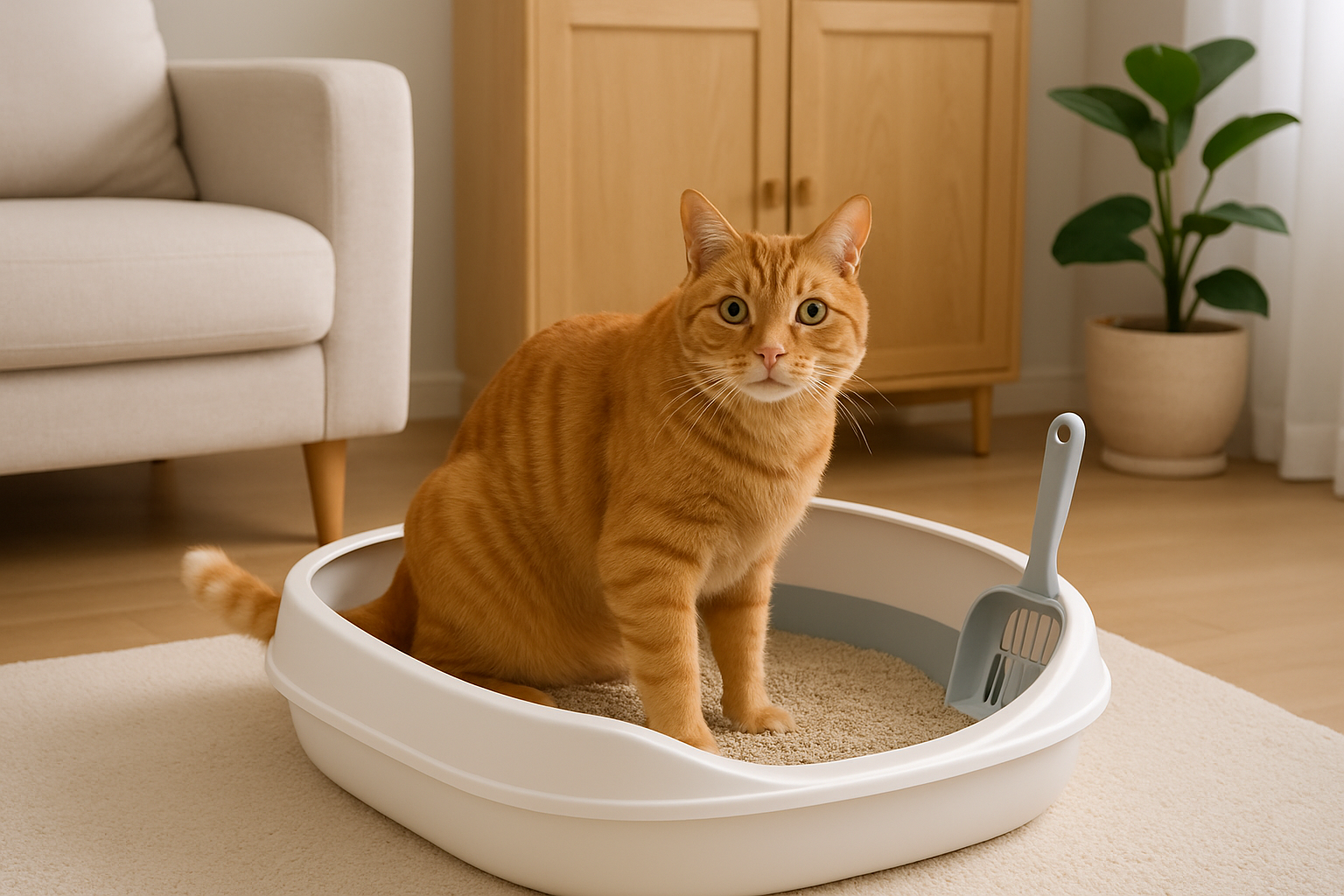
Choosing a litter box means considering its size and entrance, how easy it is to clean, and your cat’s preferences. Learn what to check before bringing one home and what changes to watch for after your cat starts using it.
✅ 3 key takeaways
🐈
Make sure your cat can get in and move around comfortably
Check that there is enough room to turn around and cover waste, and that the entrance is not too high for your cat.
🧹
Choose a stable box that is easy to clean
Look for a design that makes it easy to add litter and remove waste, and that does not wobble or slide during use.
🔎
Watch your cat’s habits after purchase
If your cat suddenly avoids the box or its elimination habits change, review the setup. If the problem persists or you notice concerning signs, consult a veterinarian.
What to Check When Choosing a Litter Box
First, make sure the box is large enough for your cat to turn around comfortably and dig or cover waste. The entrance height and width matter as well as the floor area. A low-entry box may be easier to use for older cats or cats with limited mobility.
Open boxes are generally easy to inspect and clean, while covered boxes may help reduce litter scatter. However, some cats dislike a cover or flap, so pay attention to your cat’s response rather than choosing by style alone. It is also worth checking that the material is smooth and easy to wash, and that the box sits securely on the floor.
Safety and Usability for Cats and Other Pets
Place the box somewhere quiet where your cat can use it and leave easily after checking its surroundings. Avoid busy, noisy areas, such as next to a washing machine or a door that may close suddenly. Keep it away from food and water bowls, and make sure your cat can reach it without being interrupted.
If you have more than one cat, consider spreading boxes across different locations and access routes rather than grouping them all in one spot. A commonly used recommendation is to provide one more litter box than the number of cats, but the best arrangement can depend on your home’s layout and the cats’ relationships. For related environmental guidance, see the American Association of Feline Practitioners (AAFP) Feline Environmental Needs Guidelines.
If a dog can reach the litter box, place it where your cat can use it safely. Also watch for signs that your cat finds a narrow entrance or cover uncomfortable, and adjust the setup if needed.
Litter Box Care and Cleaning
Remove waste and soiled litter frequently, and replace all the litter and wash the box according to the product and litter instructions. Leftover waste or strong odors may discourage your cat from using the box. Adjust your cleaning routine to the number of boxes and cats, the type of litter, and how often the boxes are used.
Avoid strongly scented cleaners or products that may leave residue. After washing, rinse the box thoroughly and let it dry before use. Changing the litter type or cleaning routine too drastically all at once may feel unfamiliar to your cat, so make necessary changes gradually and monitor your cat’s response. For more advice on litter box care and the litter box environment, see the Cornell Feline Health Center’s guide to litter box problems.
A Checklist for Different Situations
- Setting up a litter box for the first time: Start by considering a design your cat can enter easily and that lets you check the inside without difficulty.
- If litter often scatters: Consider a box with somewhat higher sides or a covered design, but make sure your cat is comfortable with the entrance and cover.
- If cleaning feels cumbersome: Choose a design with corners you can reach easily and that makes it simple to empty or refill the litter.
- For an older cat or one with limited mobility: Prioritize a low entrance and a stable base.
- If you have multiple cats: Consider not only the number of boxes but also their locations and access routes, so the cats do not block one another.
When introducing a new box, it can be easier to tell whether it suits your cat if you keep the old box available at first and observe which one your cat uses.
What to Watch for After Purchase
At first, notice whether your cat enters the new box voluntarily and whether it rushes out or lingers nearby after using it. If your cat avoids the box, check what has changed, such as its location, entrance, cover, or the texture or smell of the litter. If the problem continues after you adjust the environment, do not assume it is simply a product preference; consult a veterinarian.
A sudden change in urination or bowel habits, straining in the box, or blood in the waste may warrant veterinary assessment. In particular, if your cat repeatedly strains as if trying to urinate but produces no urine, contact a veterinary clinic without delay. Elimination outside the box can have many possible causes, so do not try to determine the cause from the behavior alone.
Frequently asked questions
Q. How many litter boxes should I have?
A. A commonly used recommendation is to have one more box than the number of cats. However, your home’s layout, the cats’ relationships, and box locations also matter, so make sure each box is easy to reach and the cats can use them without getting in one another’s way.
Q. Is an open or covered litter box better?
A. There is no single style that is right for every cat. A covered box may help reduce litter scatter, but some cats may feel confined inside or dislike the entrance flap. Choose based on how your cat actually uses the box.
Q. What should I do if my cat won’t use a new litter box?
A. Check what has changed, such as the box’s location, entrance height, cover, or litter type. If possible, do not remove the familiar box right away; leave both boxes available so your cat has time to choose. If avoidance continues or elimination habits change, consult a veterinarian.
Q. How often should I clean the litter box?
A. Remove waste and soiled litter frequently. Replace all the litter and wash the box according to the litter instructions and the actual level of soiling. The necessary cleaning schedule can vary with the number of cats and how often the box is used.
Sources
A good litter box is one your cat can use comfortably and you can maintain consistently. Focus on your cat’s access and actual response, rather than the product style alone, and adjust the setup as needed.
This article provides general information for pet caregivers and does not replace veterinary diagnosis or treatment. Consult a veterinarian when symptoms appear.